



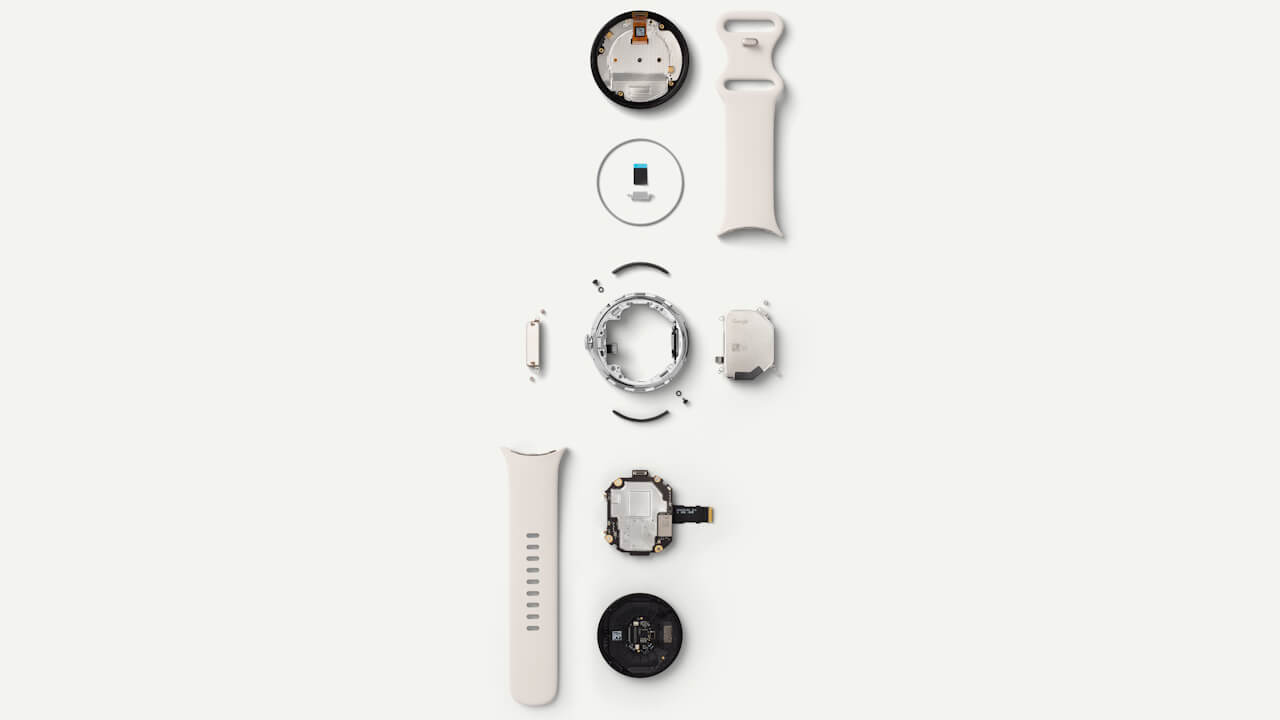
- Google has revealed the development story behind the new generation Google Pixel Watch 4, shared by its engineering team.
- The fourth-generation Google Pixel Watch 4 introduces several series-first innovations that resolve the conflicting challenges of sophisticated design and ease of repair.
- As a result, it earned a high score of 9 out of 10 from iFixit, a leader in electronics repair, making it the most repairable smartwatch to date.
On Tuesday, February 10, 2026, Google revealed the development story behind the new generation Google Pixel Watch 4, which was released globally on Thursday, October 9, 2025. The story features insights directly from the development team.
As the name suggests, the Google Pixel Watch 4 is the fourth generation of the series. It introduces numerous first-time attempts aimed at solving the conflicting challenges of refined design and repairability. Consequently, it earned an impressive score of 9 out of 10 from the electronics repair giant iFixit, being recognized as the most repairable smartwatch.
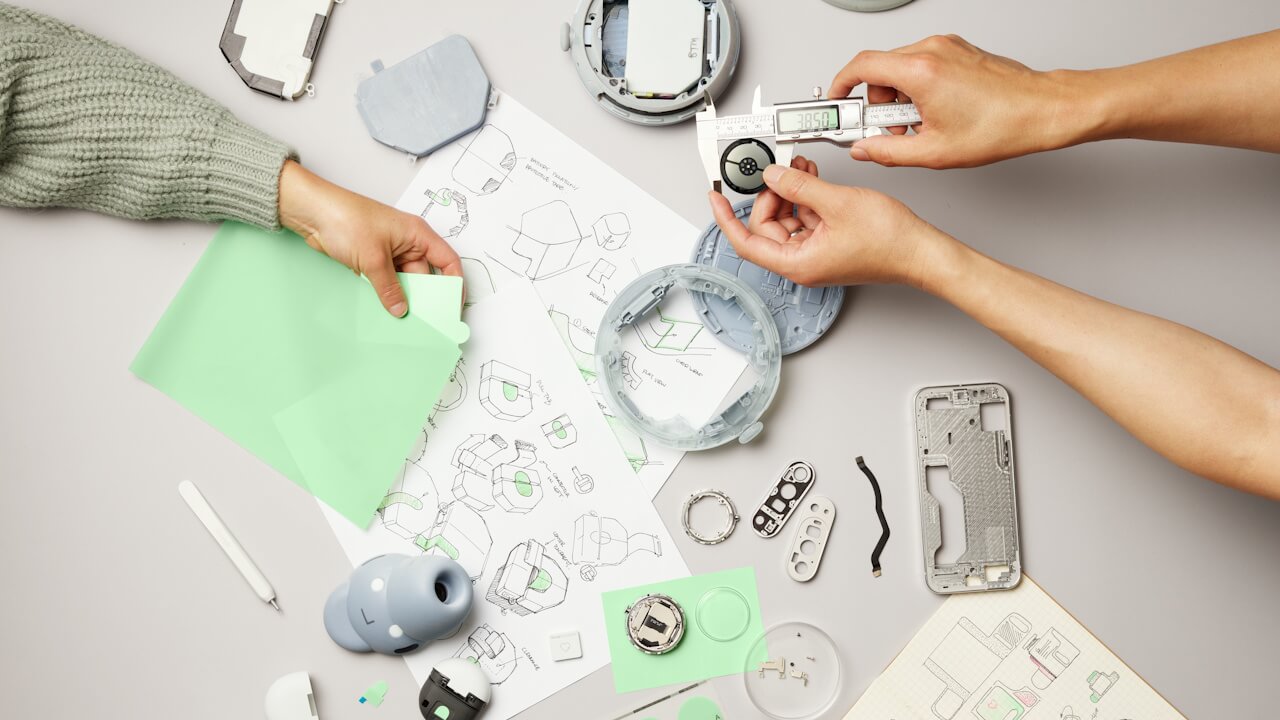
Conventional smartwatches typically use strong adhesives to seal the casing and ensure dust and water resistance. However, the use of glue has the disadvantage of making disassembly difficult, raising the hurdle for repair and reassembly. As a result, previous models in the Google Pixel Watch series were practically impossible to repair by disassembly, leaving users with no choice but to replace the entire unit in the event of failure or damage.
In the Google Pixel Watch 4, however, adhesives have been eliminated in major areas where repairs are most likely needed. By using dual rubber gaskets instead of glue, Google has made disassembly easier while maintaining high water resistance standards, including IP68 dust and water resistance and 5 ATM water resistance.
Using dual gaskets often raises concerns about increased thickness and a reduction in internal space. To avoid this, the development team miniaturized the circuit boards and vibration motor to the extreme, achieving high-density packaging that prevents the watch from becoming thicker while still securing the necessary internal space.
Of course, a critical aspect of smartwatch repair is the battery replacement specification. Various technologies have been introduced in the Google Pixel Watch 4 to make battery replacement a reality.
First is the specification of the battery itself. Traditional batteries often use a “wound-type” structure (also known as a jelly-roll), where sheets of positive and negative electrodes and separators are wound into a spiral and housed in a cylindrical or oval can. While wound-type batteries offer cost benefits due to a simple manufacturing process, their cylindrical shape is not well-suited for smartwatches aiming for a thin profile.
To address this, the Google Pixel Watch 4 adopts a stacked battery structure, where sheets of positive electrodes, negative electrodes, and separators are stacked alternately. This improved space efficiency and increased energy density by 50%, resulting in longer battery life.
Additionally, as is well known, the Google Pixel Watch 4 features the series’ first side-mounted charging system. By using powerful magnets for the side-mounted charging contacts and saving vertical internal space, the charging speed has been increased by 25% compared to the previous Google Pixel Watch 3.
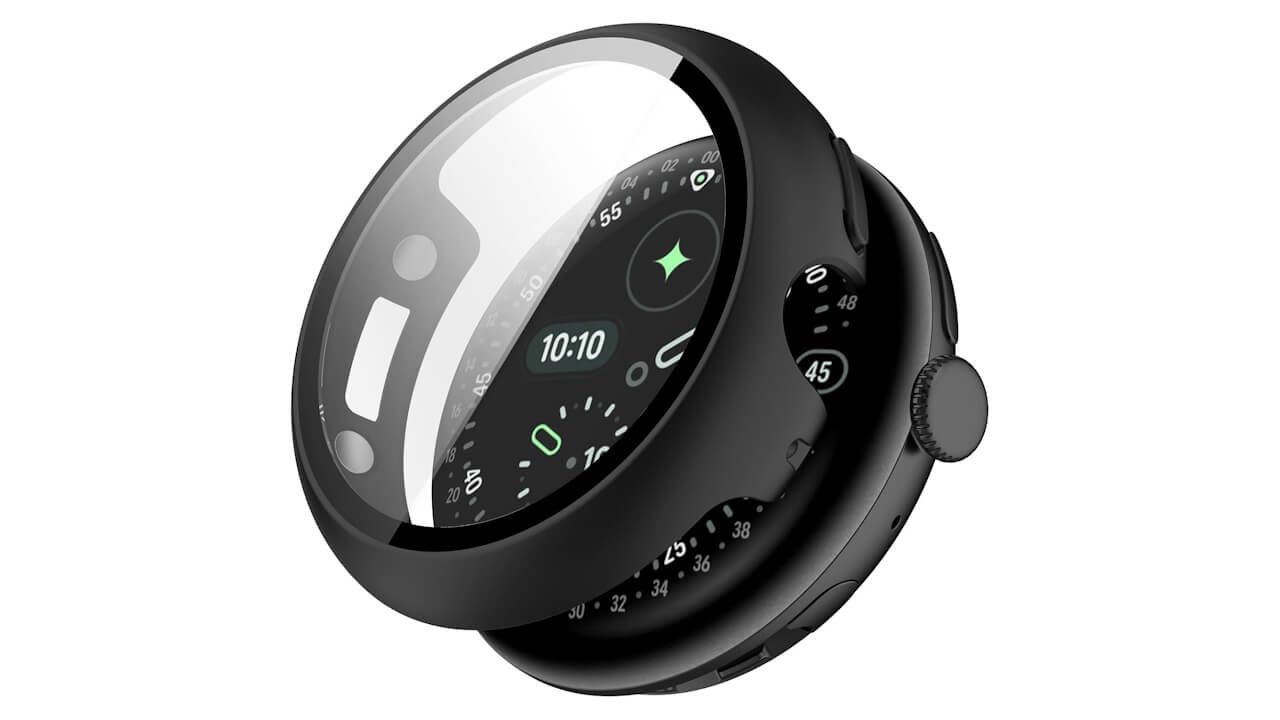
While the side-mounted charging introduced in the Google Pixel Watch 4 was initially criticized as a poor design because it seemed impossible to charge while wearing a case, third-party cases for the Google Pixel Watch 4 that support “charging without removing the case” have since appeared, effectively overcoming that drawback.

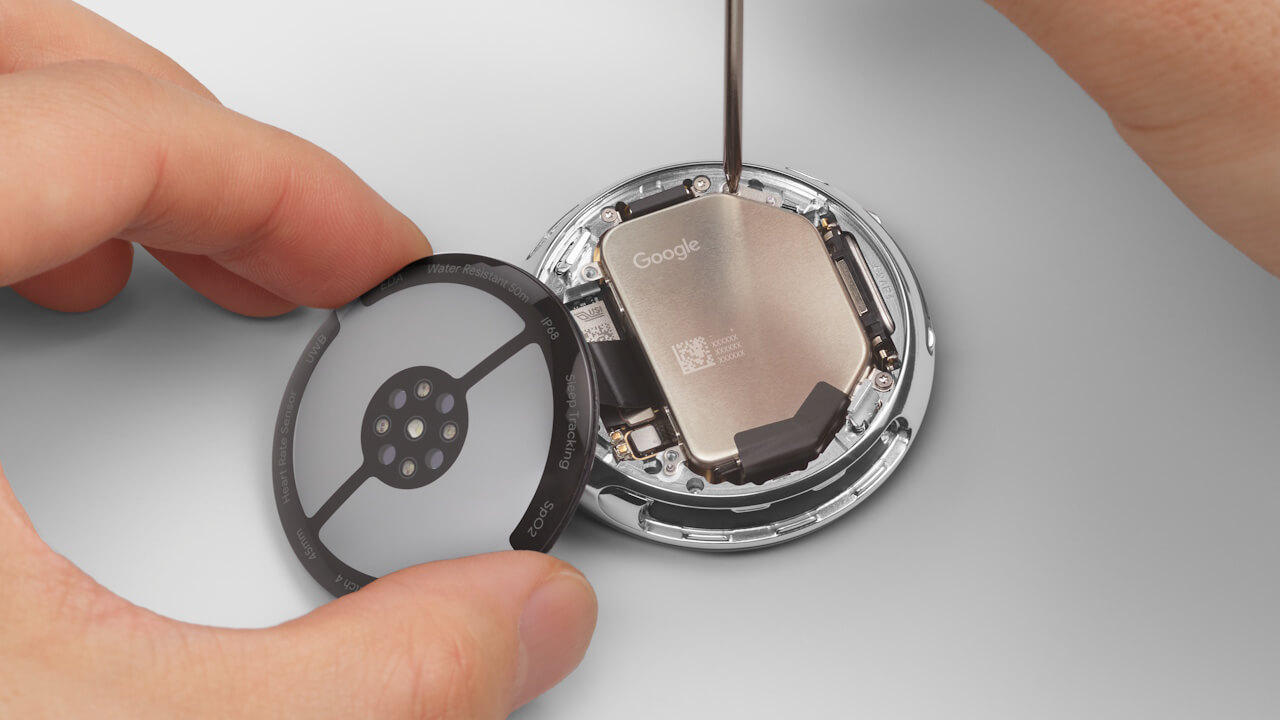
Furthermore, the Google Pixel Watch 4 has eliminated both the screws typically used to secure the back cover and, as mentioned earlier, the adhesives. Using screws not only occupies valuable space but can also negatively impact communication antenna performance. Instead, the Google Pixel Watch 4 utilizes a sliding wedge mechanism hidden inside the band attachment area. This “hidden lock” design applies uniform pressure to the internal gaskets, maintaining water resistance while securely locking the back cover in place.
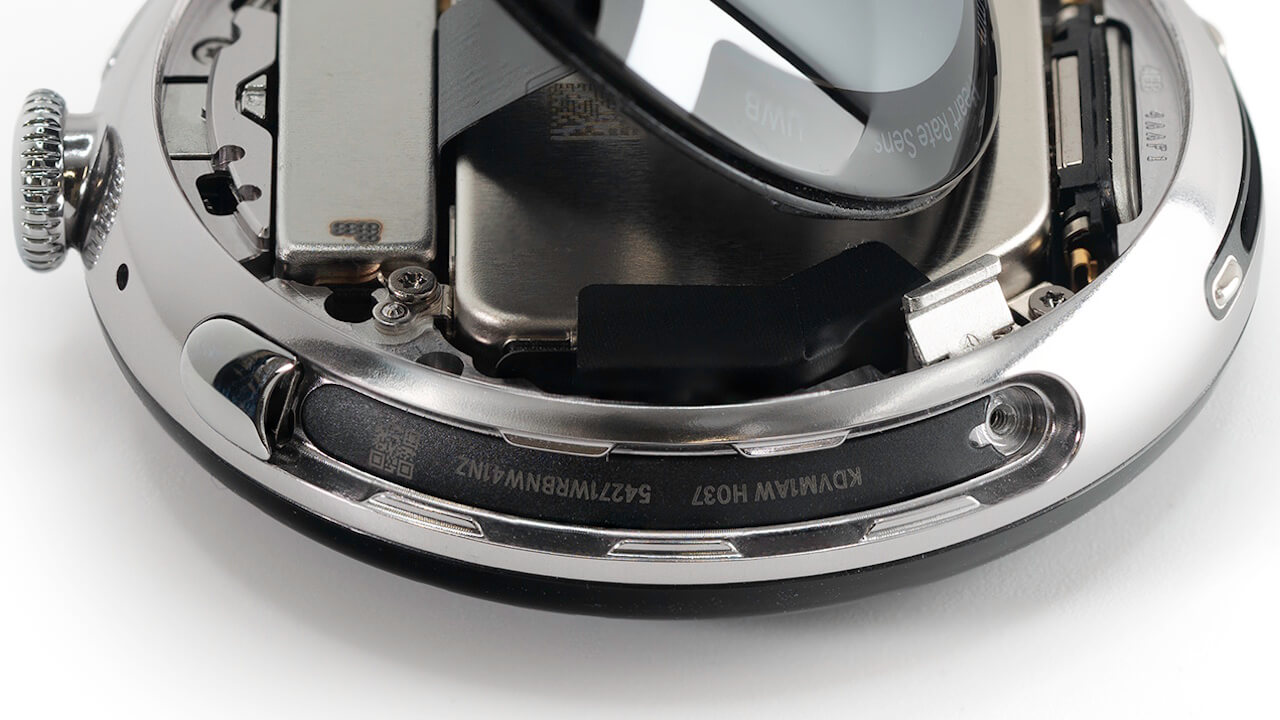
Beyond these features, the Google engineering and development teams have overhauled structures and specifications at the component level to deliver the Google Pixel Watch 4 as a high-performance, maintenance-friendly product.
Source:Google
コメントを残す