



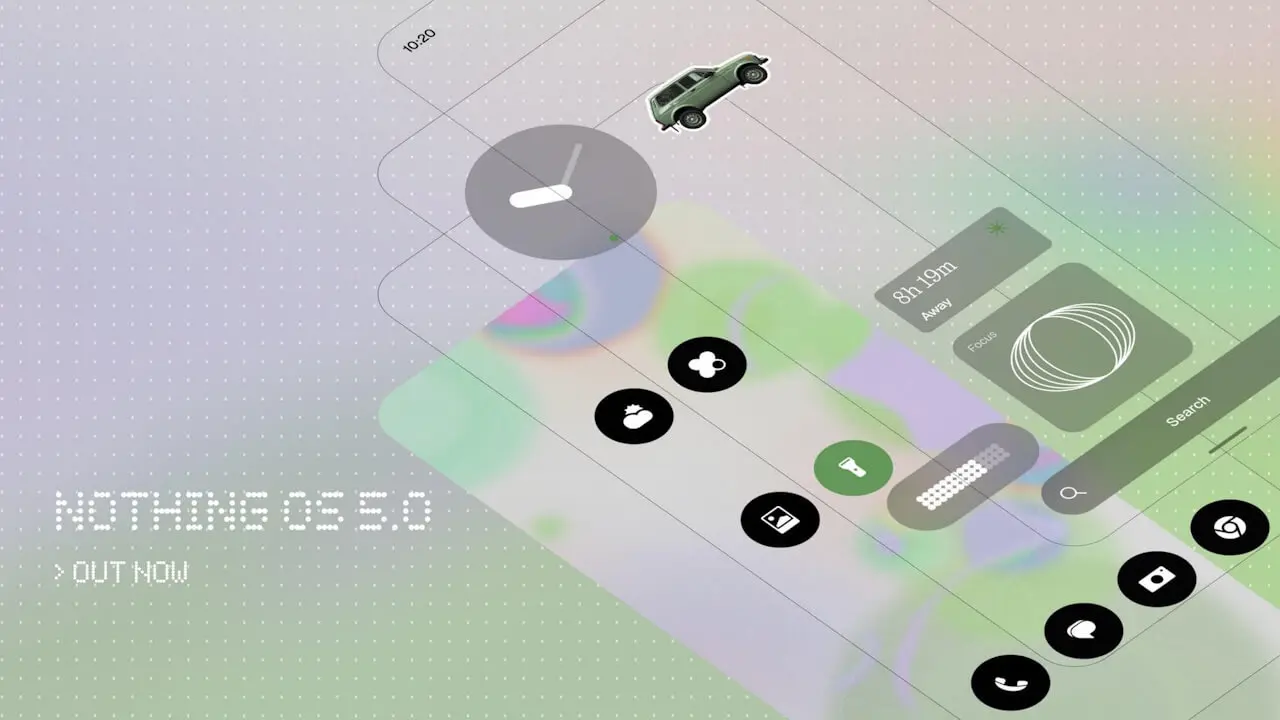

- Nothing has officially announced “Nothing OS 5.0,” the next-generation custom OS version for its Android devices.
- An optional open beta version will first be available for the “Phone (3)” starting Wednesday, August 26, 2026.
- “Nothing OS 5.0” will not be rolled out to the second-generation Nothing Android device, the “Phone (2),” as 3 years have passed since its release and major OS update support has ended.
UK-based venture company Nothing Technology (“Nothing”) officially announced “Nothing OS 5.0,” the next-generation custom OS version for its Android devices, on Tuesday, August 25, 2026, local time.
“Nothing OS 5.0” is based on the new-generation Android OS, “Android 17,” and introduces a variety of new features. It will first become available as an optional open beta version for the “Phone (3)” starting Wednesday, August 26, 2026.
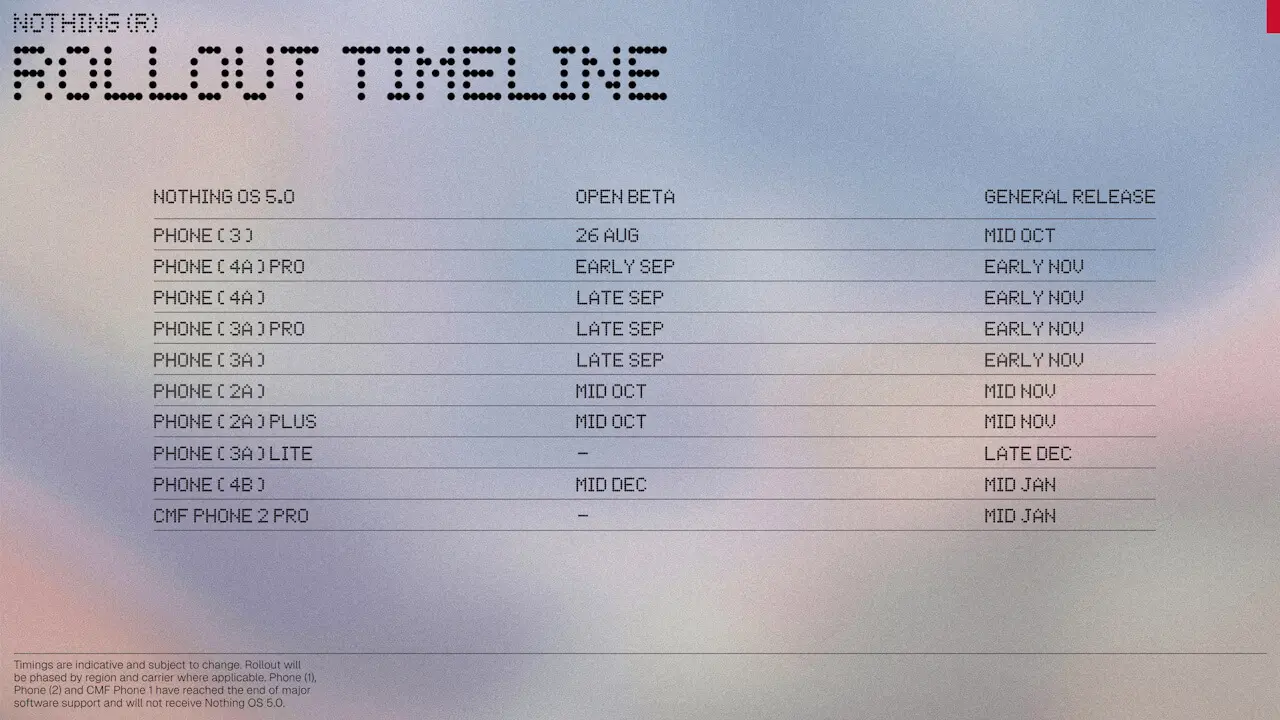
Following this, supported devices for the open beta version of “Nothing OS 5.0” will be gradually expanded over the course of several months, and the official release of “Nothing OS 5.0” will begin rolling out sequentially from mid-October 2026. However, “Nothing OS 5.0” will not be provided for the second-generation Nothing Android device “Phone (2)”—which has reached the end of its 3-year major OS update support window since its release—nor for the 2024 “CMF Phone 1.”
Details regarding how to install the open beta version of “Nothing OS 5.0” will be announced at a later date.
“Nothing OS 5.0” Rollout Schedule
| ■ “Nothing OS 5.0” Open Beta Version |
|
| ■ “Nothing OS 5.0” Official Version |
|
Refreshed Design
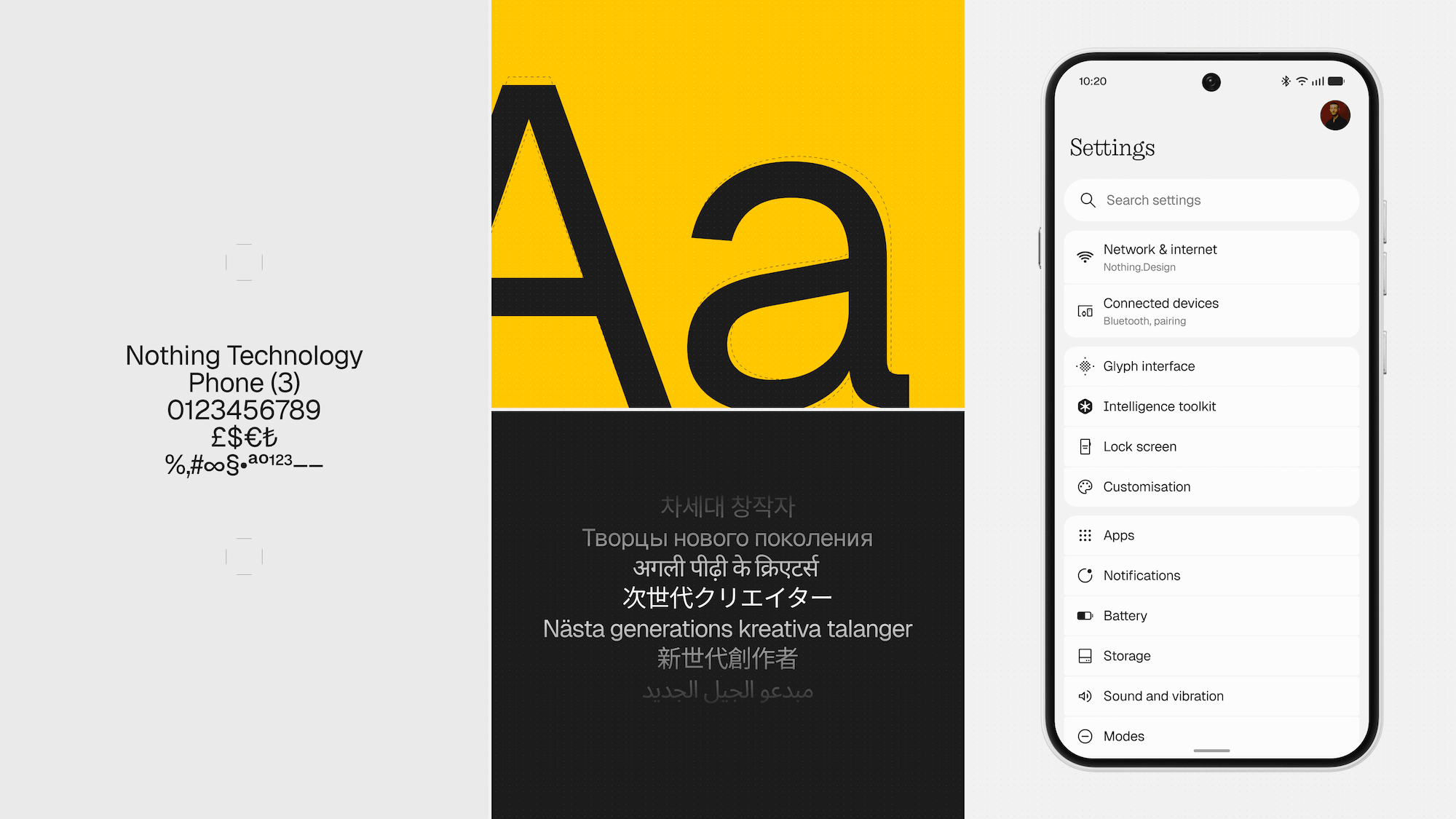
In “Nothing OS 5.0,” the overall design receives a complete overhaul, including system-wide typography, icons, spacing, textures, and motions.
Among the biggest changes is the adoption of the new system font, “Geist.” Selected by the design team to enhance readability while maintaining the unique personality characteristic of “Nothing OS,” it plays a role in boosting visual consistency across the entire system, including settings screens, widgets, and menus.
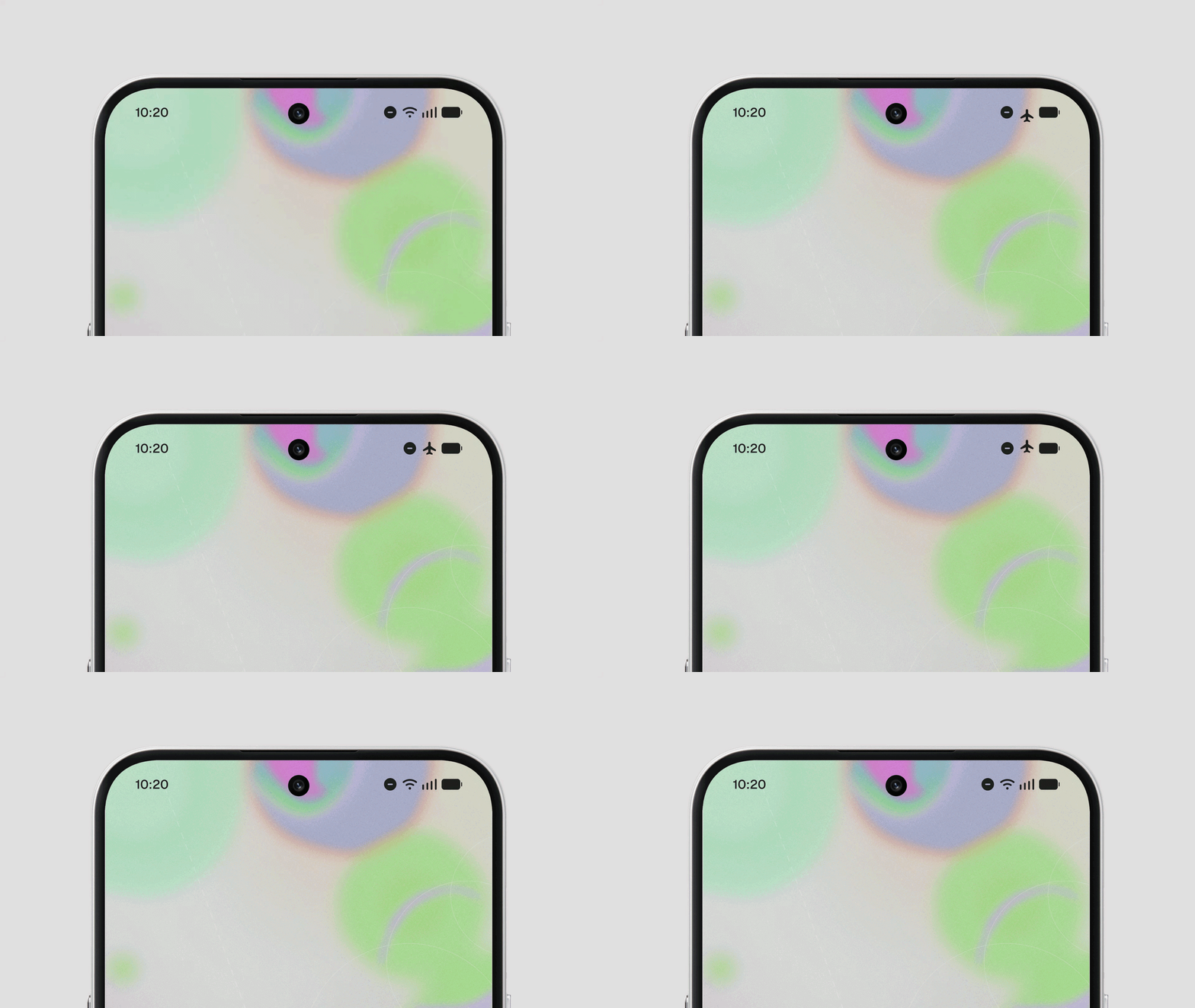
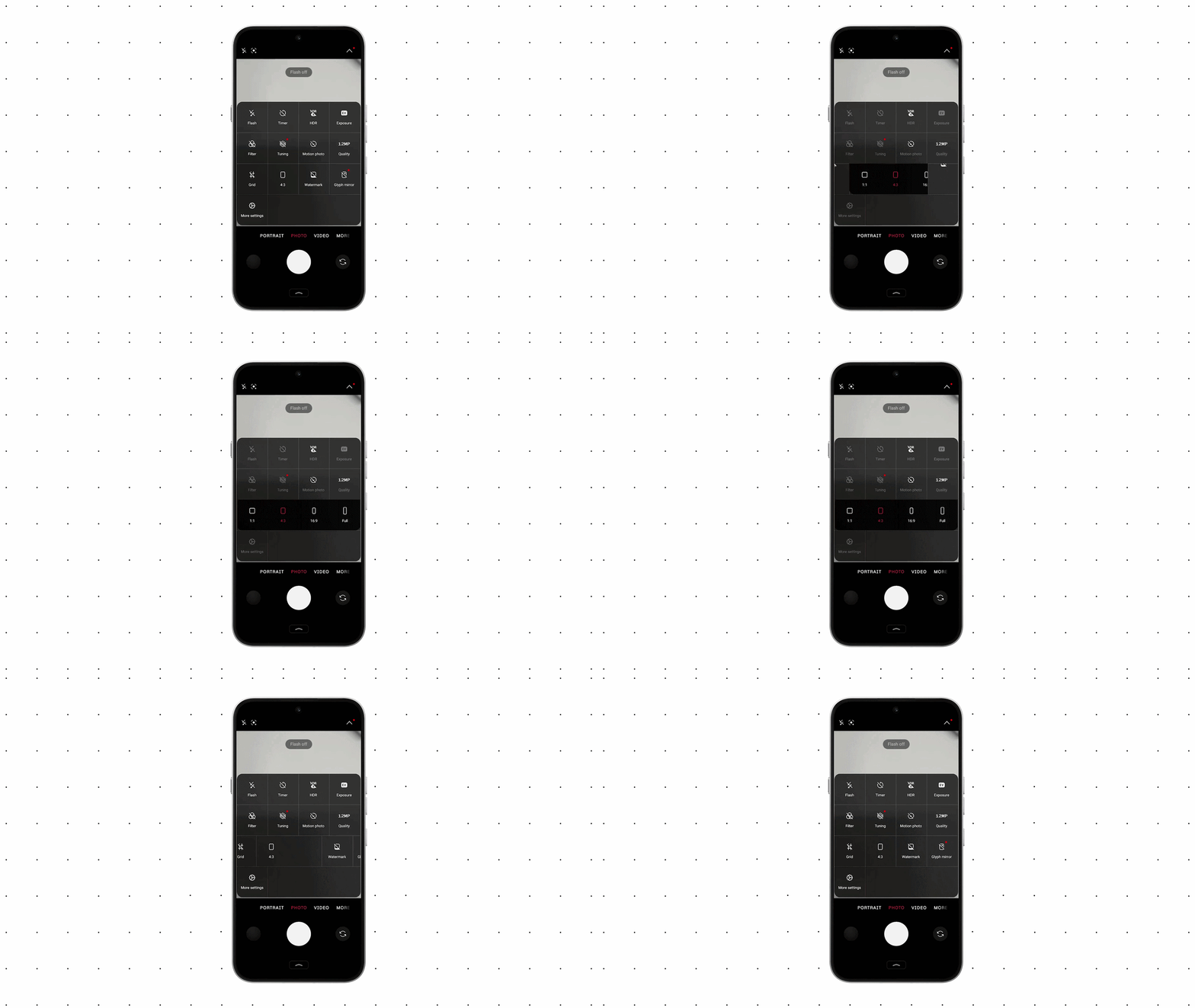
Additionally, the settings screen has been revised with updated icons, spacing, and corner shapes, consolidating frequently used items to improve visibility and usability. Status bar icons also feature a new design, displaying state changes such as signal strength and battery status with more intuitive animations. Furthermore, the camera app icon and operation system have been revamped—such as locking recognition results on-screen when scanning QR codes—along with other minor usability enhancements.
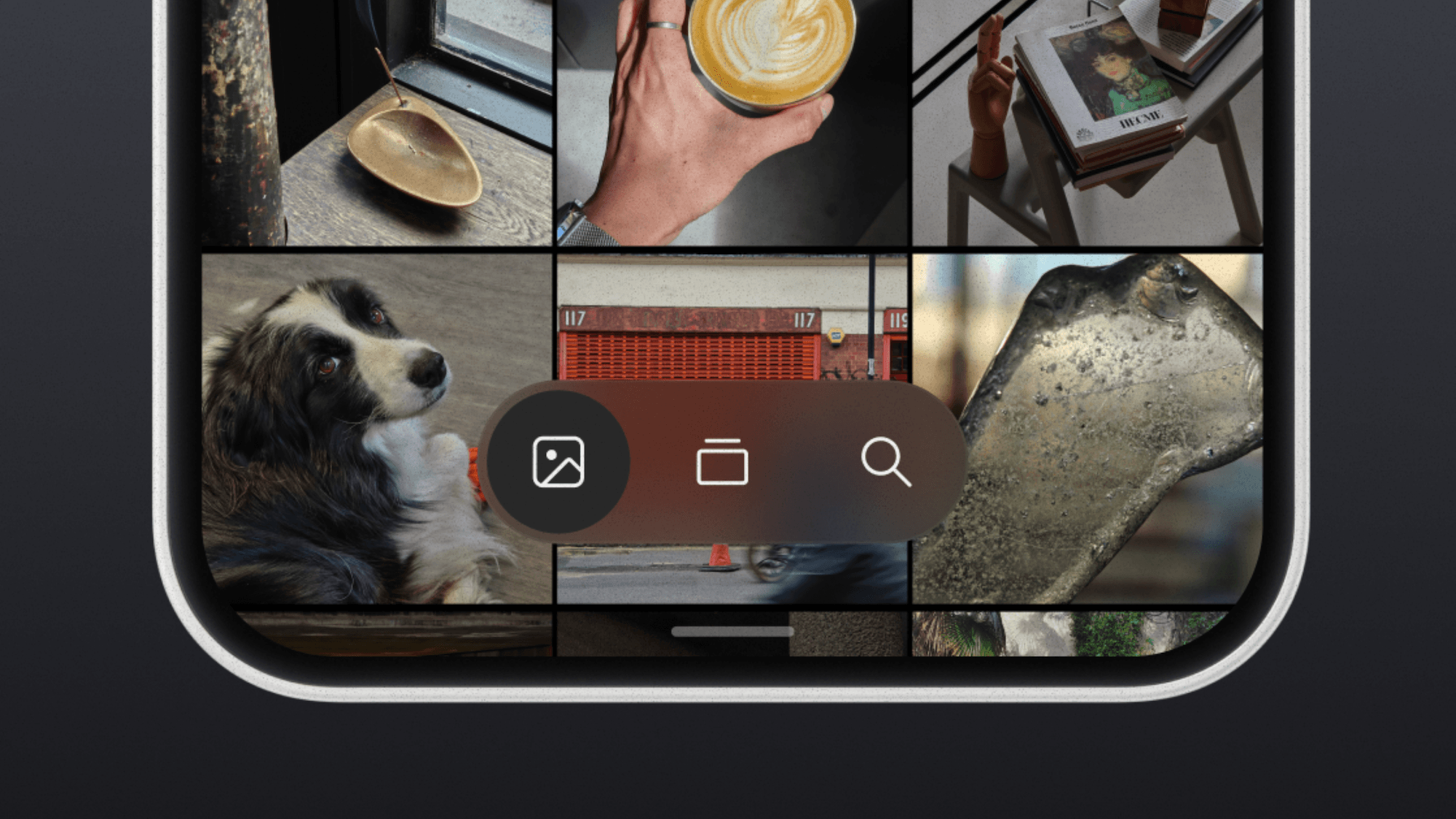
In the “Nothing Gallery” app, photo sorting/filtering functions and the album screen have been redesigned, incorporating a new design language utilizing translucent materials throughout.
Wallpaper-Linked Personalization Features
“Nothing OS 5.0” introduces a new personalization feature where the color schemes of app icons and widgets automatically change in conjunction with the wallpaper’s color tones.
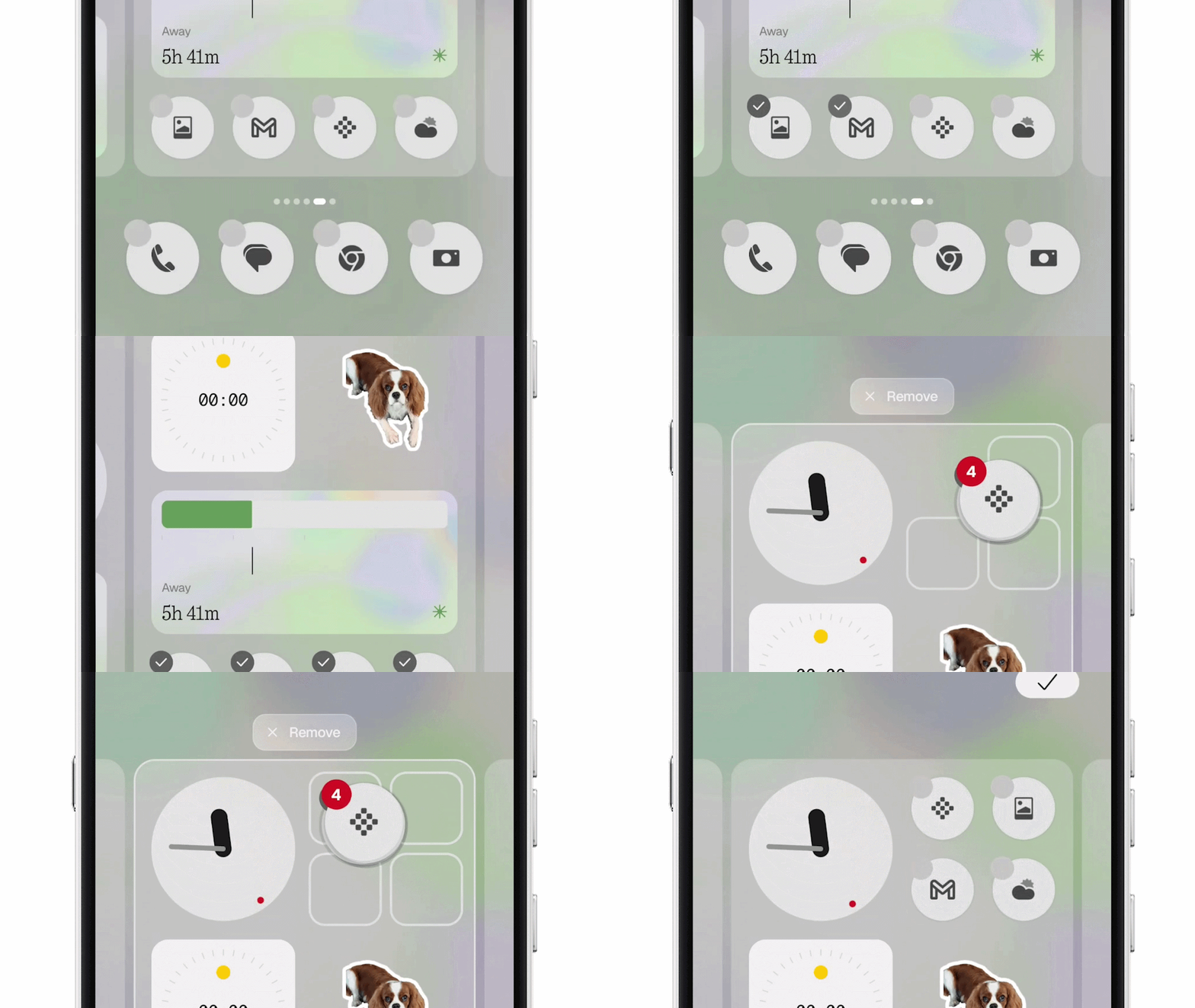
On the lock screen, two new additions have been made: “Gooey,” a new clock face featuring fluid shapes, and “Micrographics,” which displays dates, weather, and schedule items together. Both support color settings that reflect the wallpaper’s colors. On the home screen, a bulk-editing feature has been added, allowing users to select multiple icons and widgets at once and move them across pages together, reducing the effort required to change layouts.
In addition, multiple new widgets and apps have been added, including “Away Time”—a new widget that visualizes the time you haven’t interacted with your smartphone; “Collector,” which displays photos collected from the camera or “Nothing Gallery” app as a collection on your home/lock screen; “Glyph,” a dedicated app that centrally manages Glyph Interface-related features, sounds, and schedules; and the “Glyph Timer” widget, which lets you launch a timer directly from the home screen.
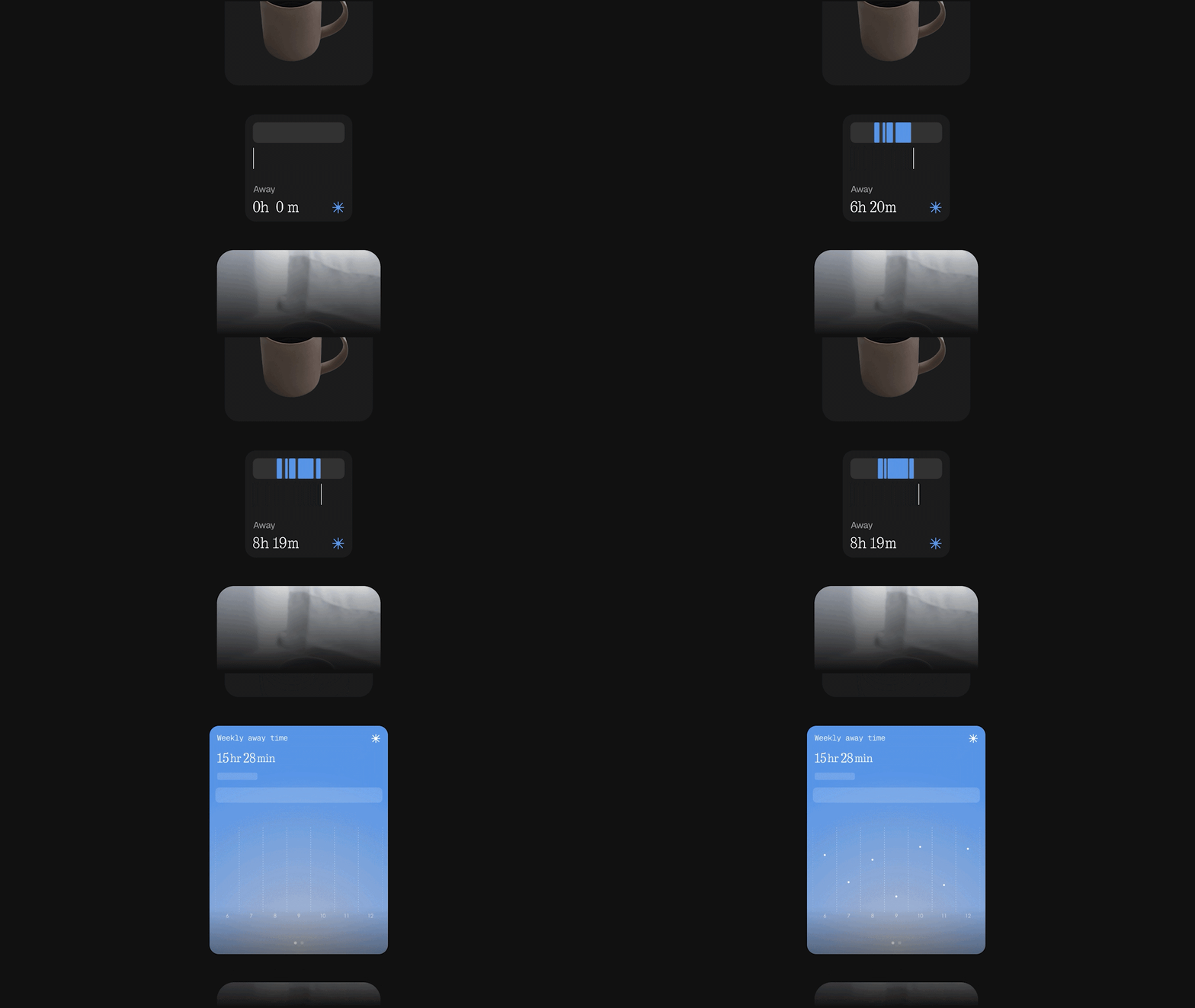
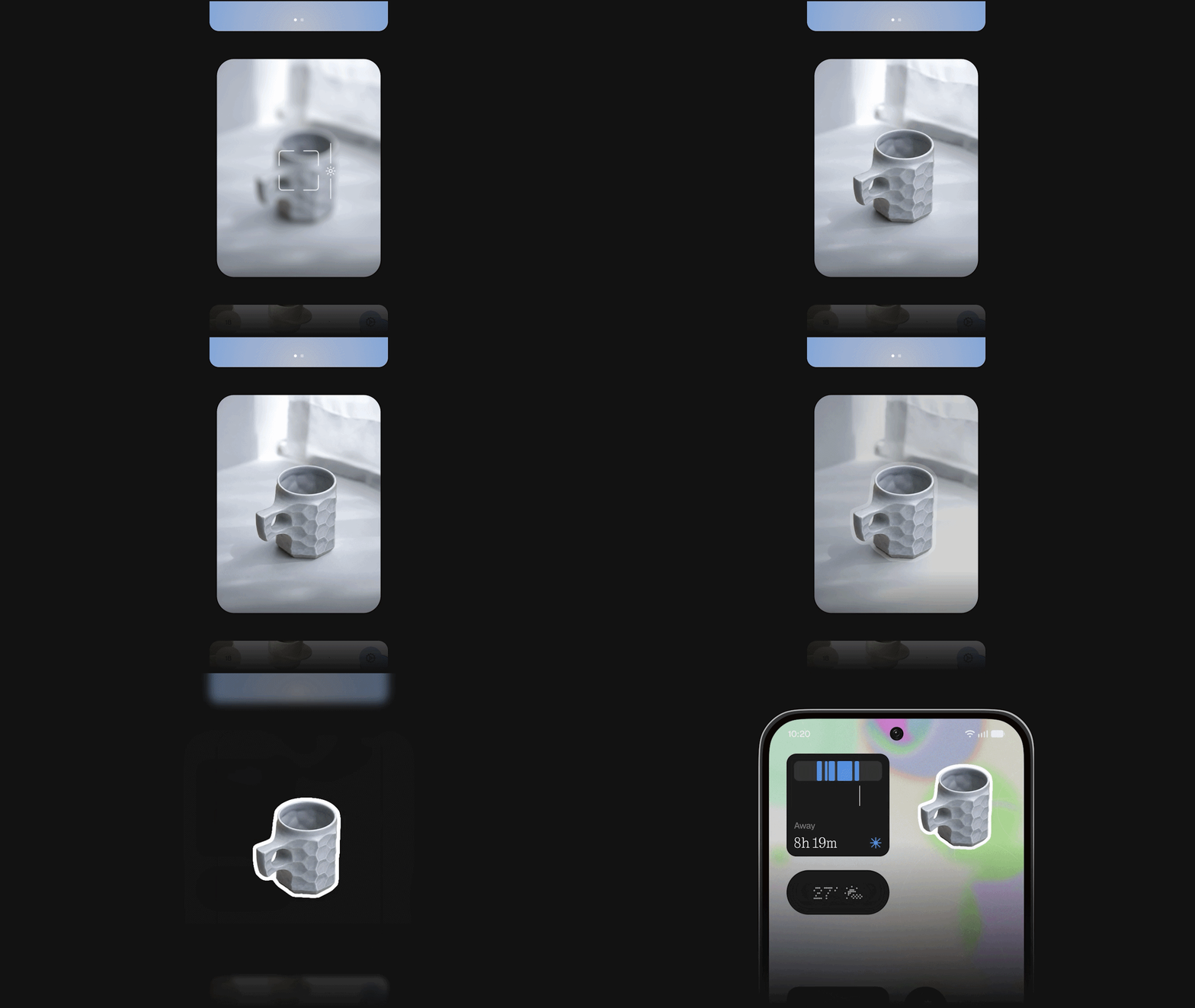
Please note that the home screen applying the new design theme with translucent materials and the “Micrographics” clock face are still under development and will not be available in the open beta version of “Nothing OS 5.0.” They are scheduled for release in the official version of “Nothing OS 5.0.”
UI Acceleration
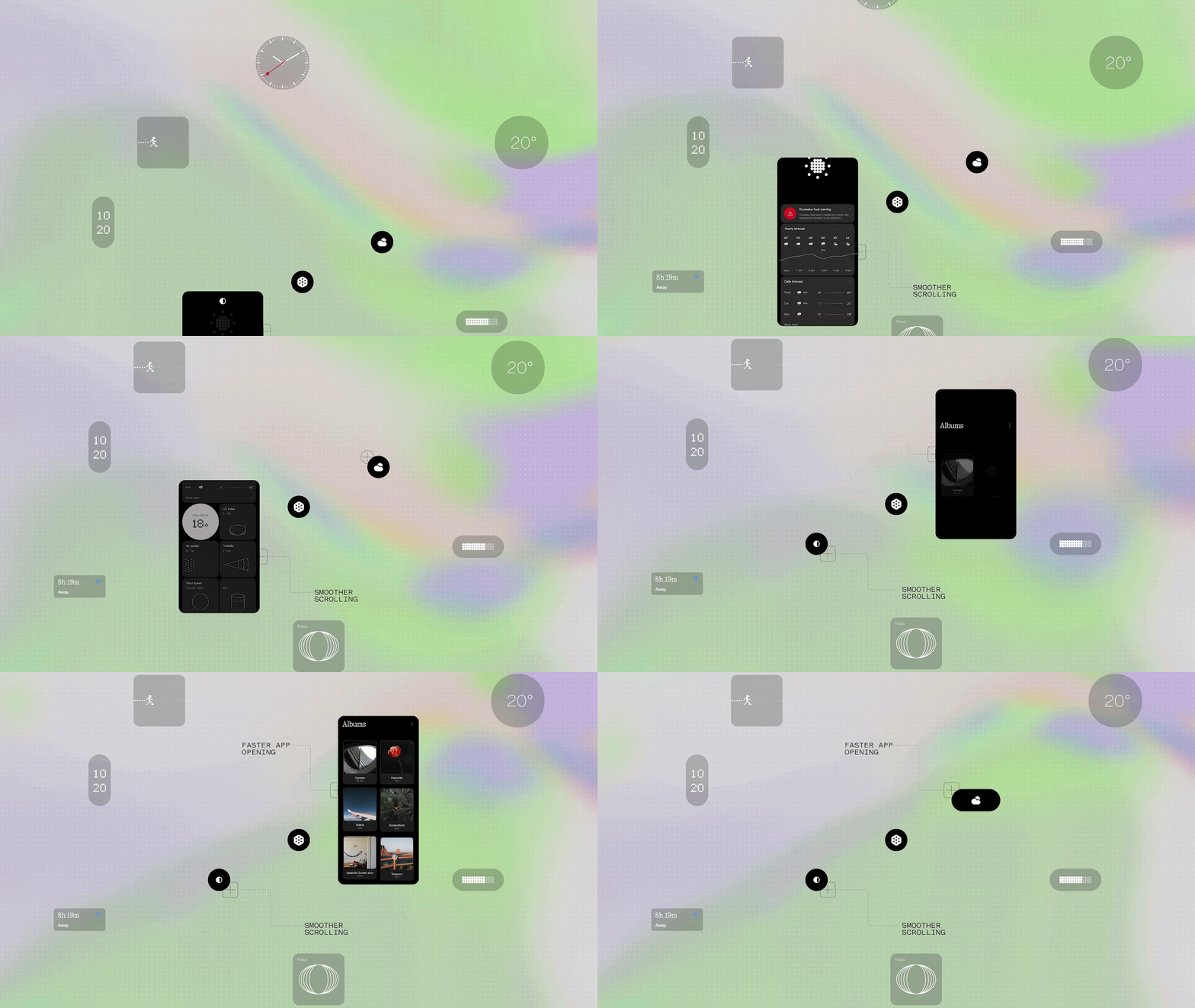
In “Nothing OS 5.0,” day-to-day operational responsiveness—such as app launching, scrolling, touch responsiveness, and multitasking—has been improved, accelerating the UI.
By optimizing background management, more resources are allocated to apps currently in use, while frequently used apps remain more easily queued in the background, reducing reload frequency. Furthermore, if you reverse a gesture mid-action, the animation now plays backward accordingly, achieving more natural movements across apps, folders, widgets, and the multitasking screen.
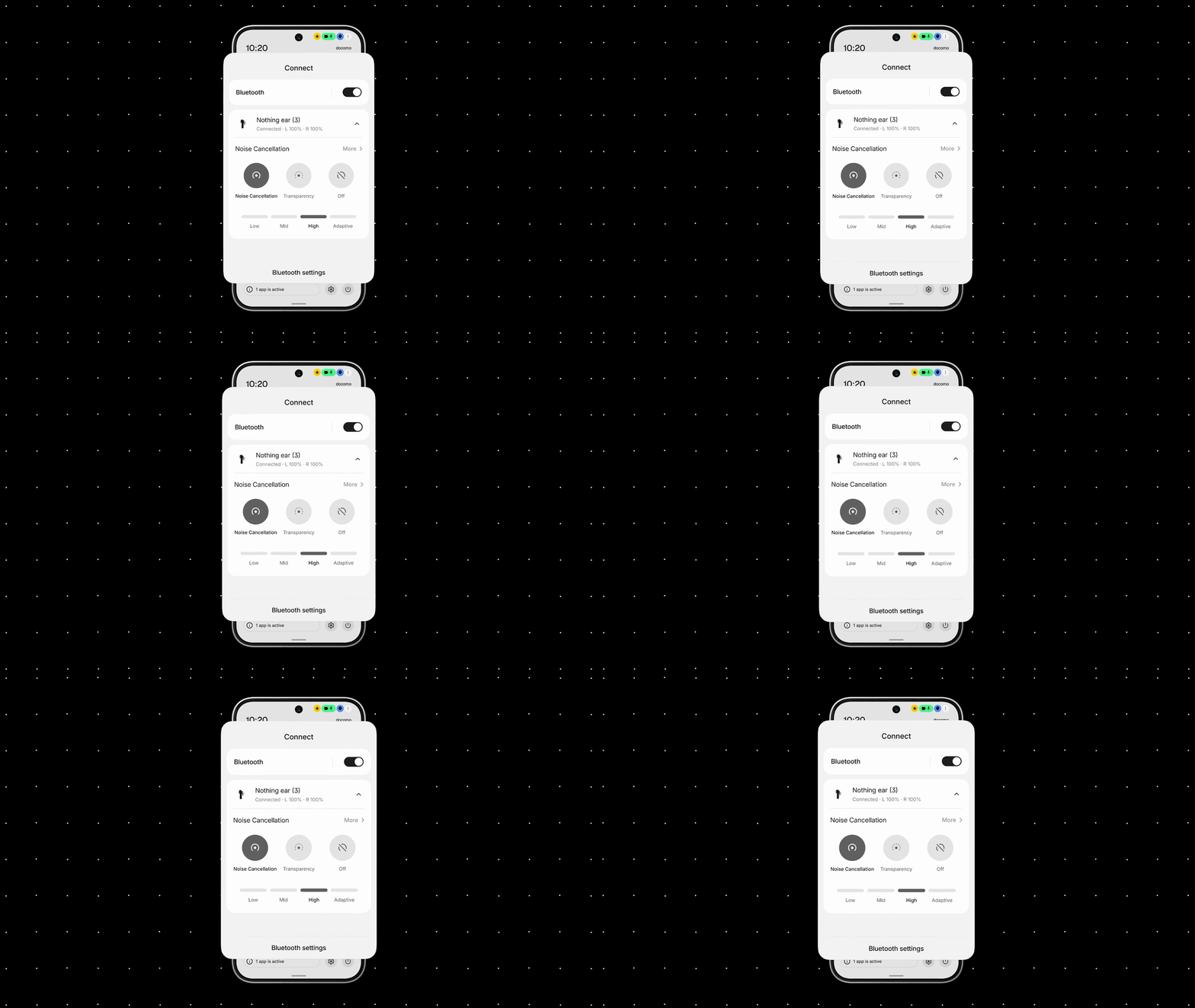
The Bluetooth “Quick Settings Tile” has also been redesigned, allowing users to search for, connect to, or disconnect from nearby devices with a single tap.
“Essential AI” Feature Updates
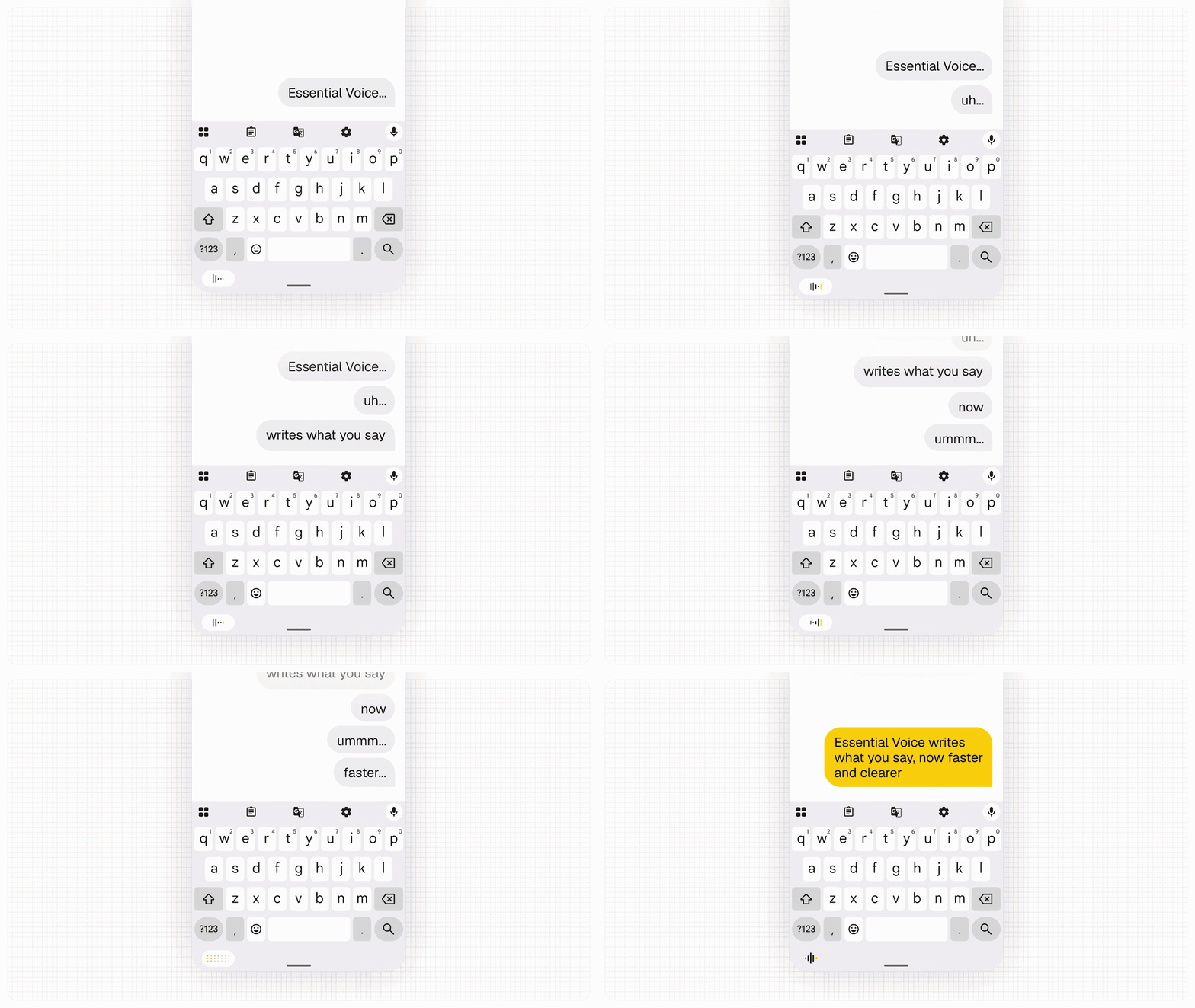
As an update to “Essential AI”-related features, processing speed in the voice memo feature “Essential Voice” has been improved, enabling transcriptions in a more organized format.
It automatically distinguishes between content that should remain as paragraphs and tasks or requirements that should be bulleted, and spoken content is now displayed as text in real time. Additionally, multi-language “real-time translation” features are scheduled to be added within the year.
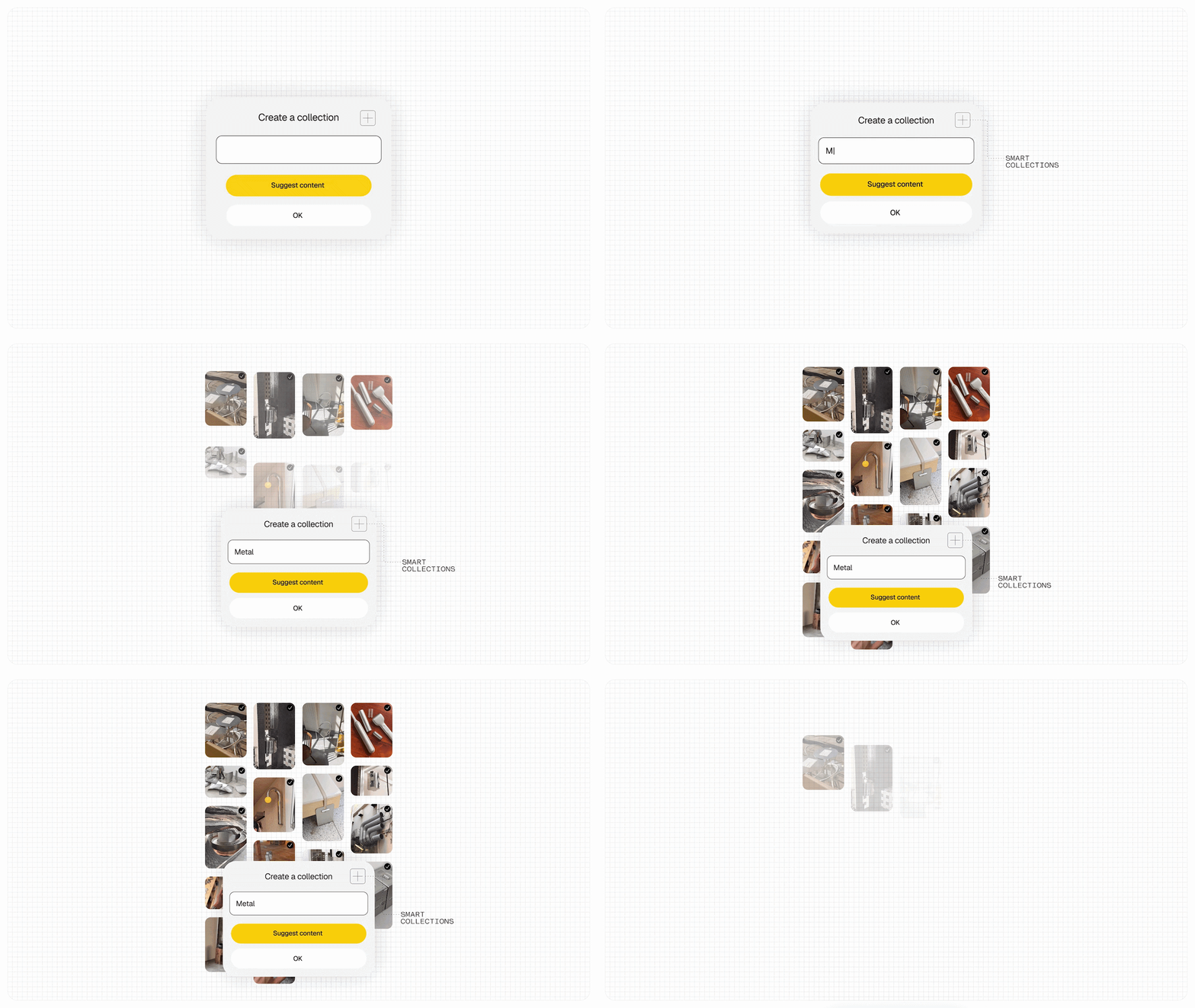
In “Essential Space,” a “Smart Collections” feature will be added to automatically suggest relevant items from existing saved content when creating a new collection. It also includes a feature that suggests creating a new collection if common topics are found across multiple saved items.
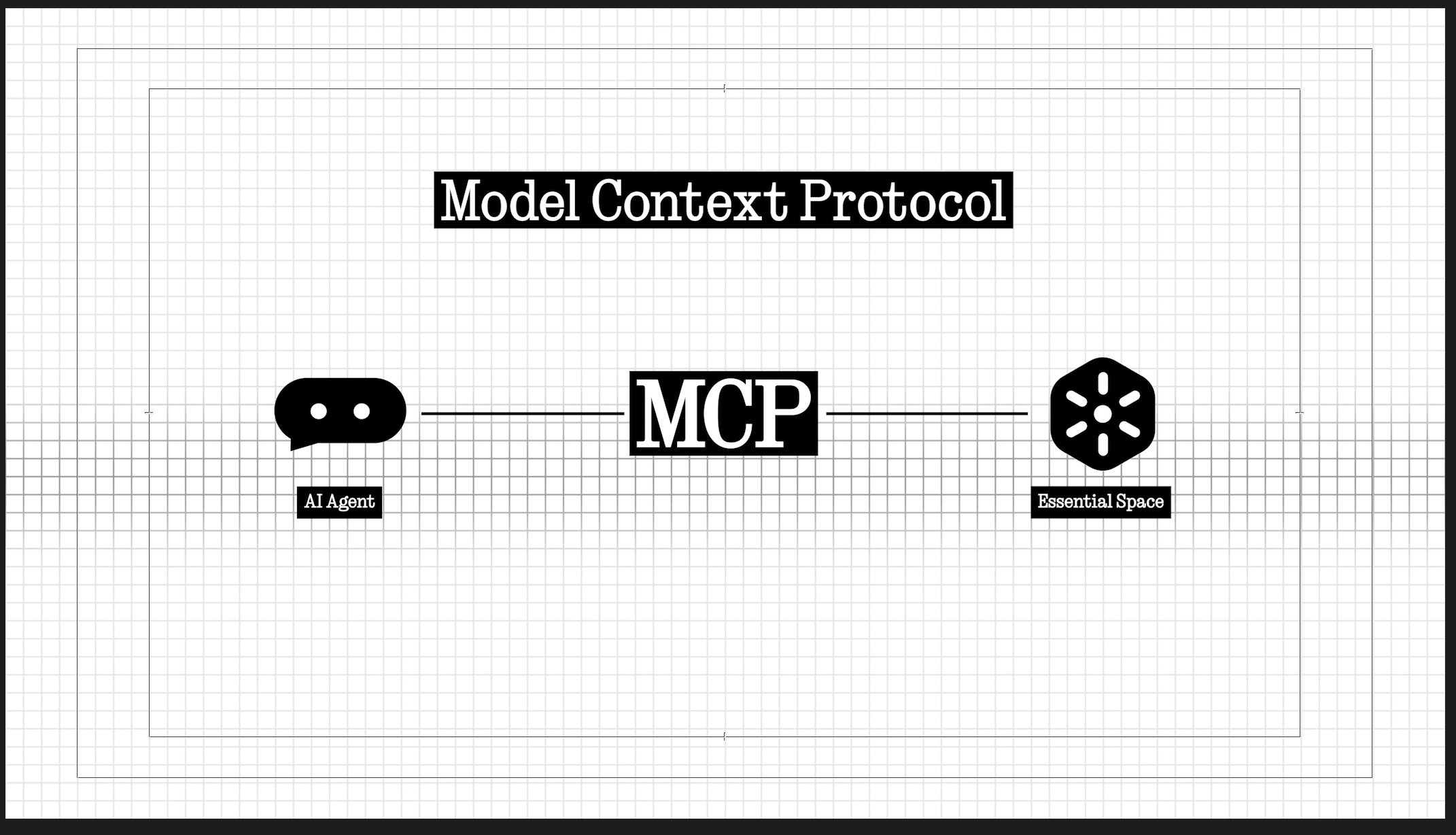
Furthermore, support for “Model Context Protocol (MCP)” will be introduced, allowing compatible external AI platforms to search and reference saved content within “Essential Space.” “MCP” will be read-only at the initial release, and the rollout of MCP support via Google Play is scheduled for October 2026.
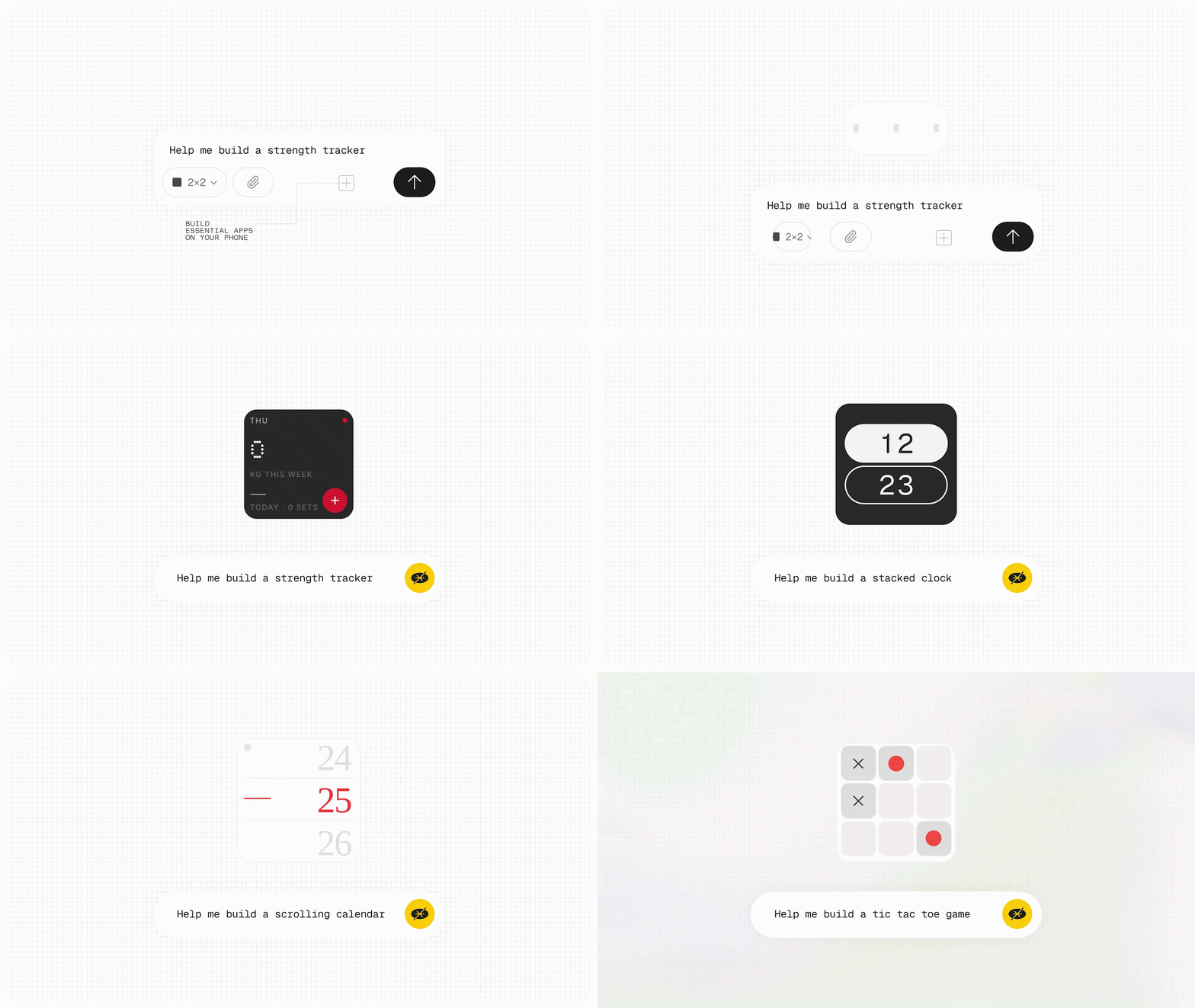
Additionally, the new “Essential Apps Builder” app will be added, allowing users to create “Essential Apps” directly on their smartphones, whereas previously they could only be created on the web. With the “Essential Apps Builder” app, simply describing the tool you want to create in natural language allows you to build widgets and tools to place on your home screen without writing any code.
“Android 17” New Features
“Nothing OS 5.0” also rolls out multiple new features implemented from the underlying next-generation Android OS, “Android 17.”
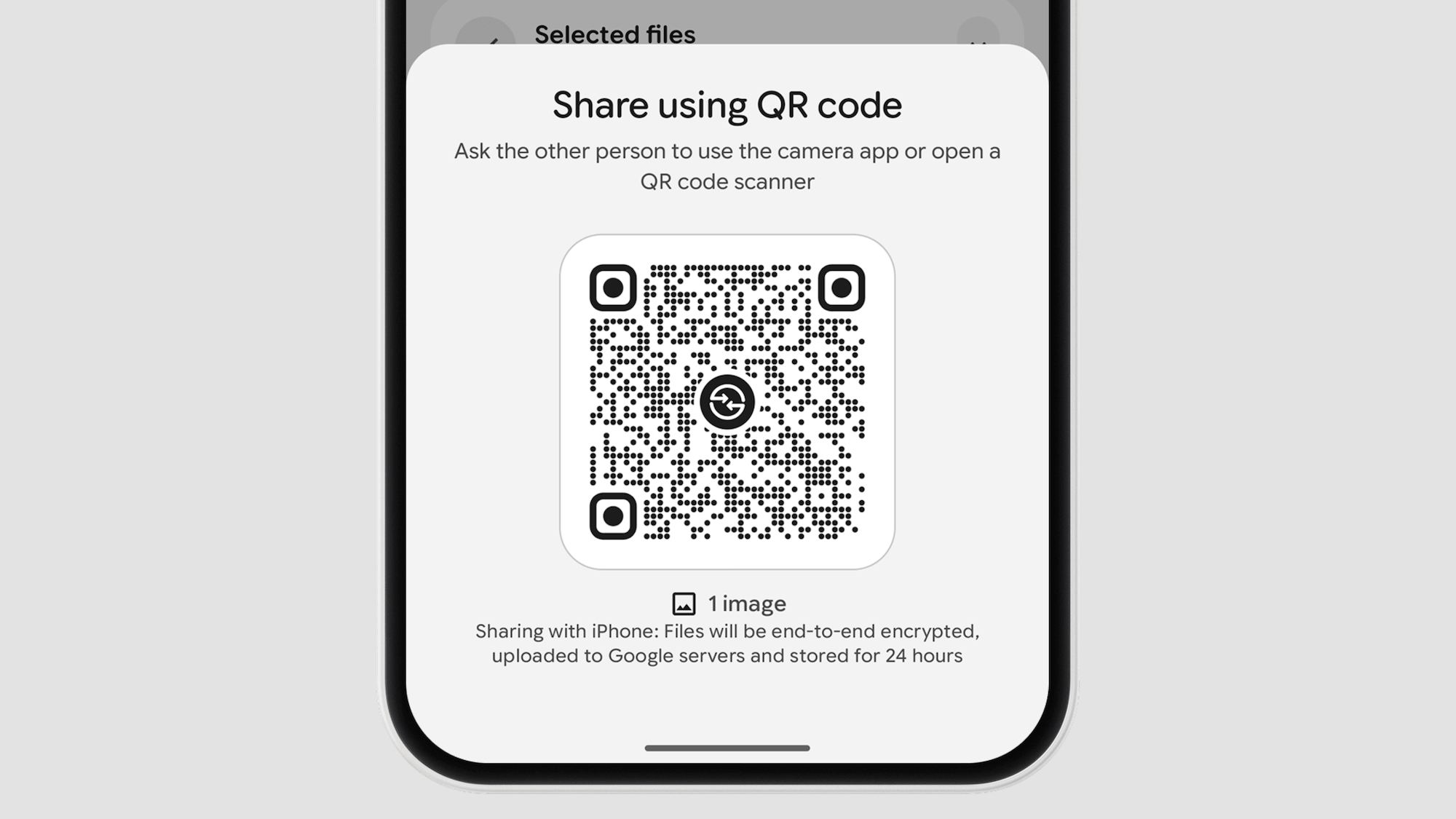
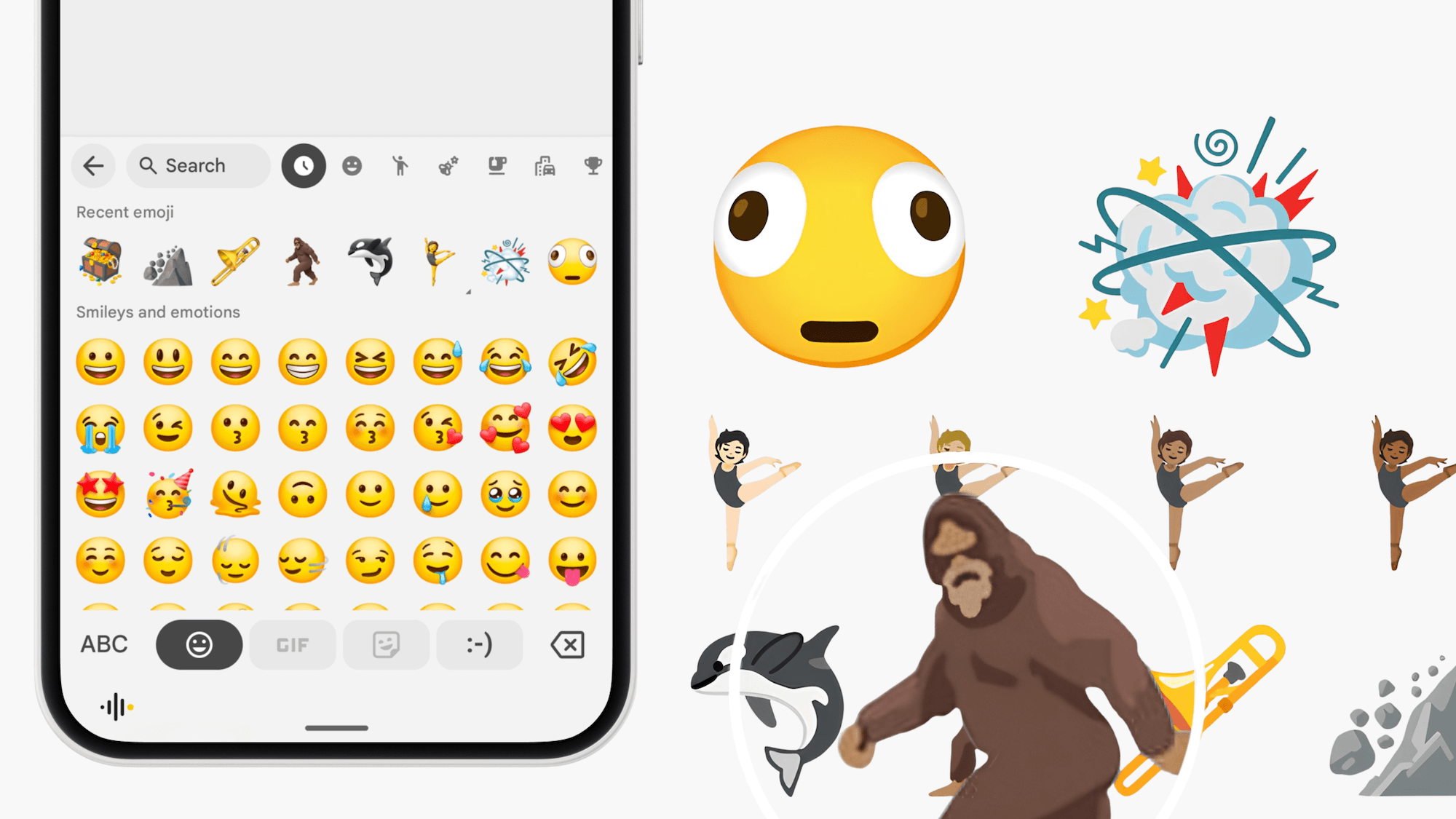
These include a wide range of improvements such as “Split Mode,” which lets you separate the notification panel and “Quick Settings Tile” by swiping left and right; enhanced “Quick Share” functionality for sending and receiving files via QR codes and browsers regardless of iPhone or Android; a floating control panel for easier operation during screen recording; privacy indicators that display location sharing and AI data processing in three distinct colors (green/blue/yellow) on the status bar; “Live Info,” which displays the progress of compatible apps in a capsule shape on the status bar; 3D emojis with a three-dimensional expression called “Noto 3D”; an “Extended Dark Theme” allowing dark theme application settings per app; “Assistant Volume,” which can be adjusted separately from media volume; “HDR Brightness Correction,” which brightens only the highlight portions of HDR photos/videos without increasing overall screen brightness; and a revamped “Recent Apps” screen featuring a pill-shaped menu combining actions like “Split Screen” and “App Info” on recent app screens.
Source:Nothing(https://nothing.community/d/61730-nothing-os-50-new-features-explained)